

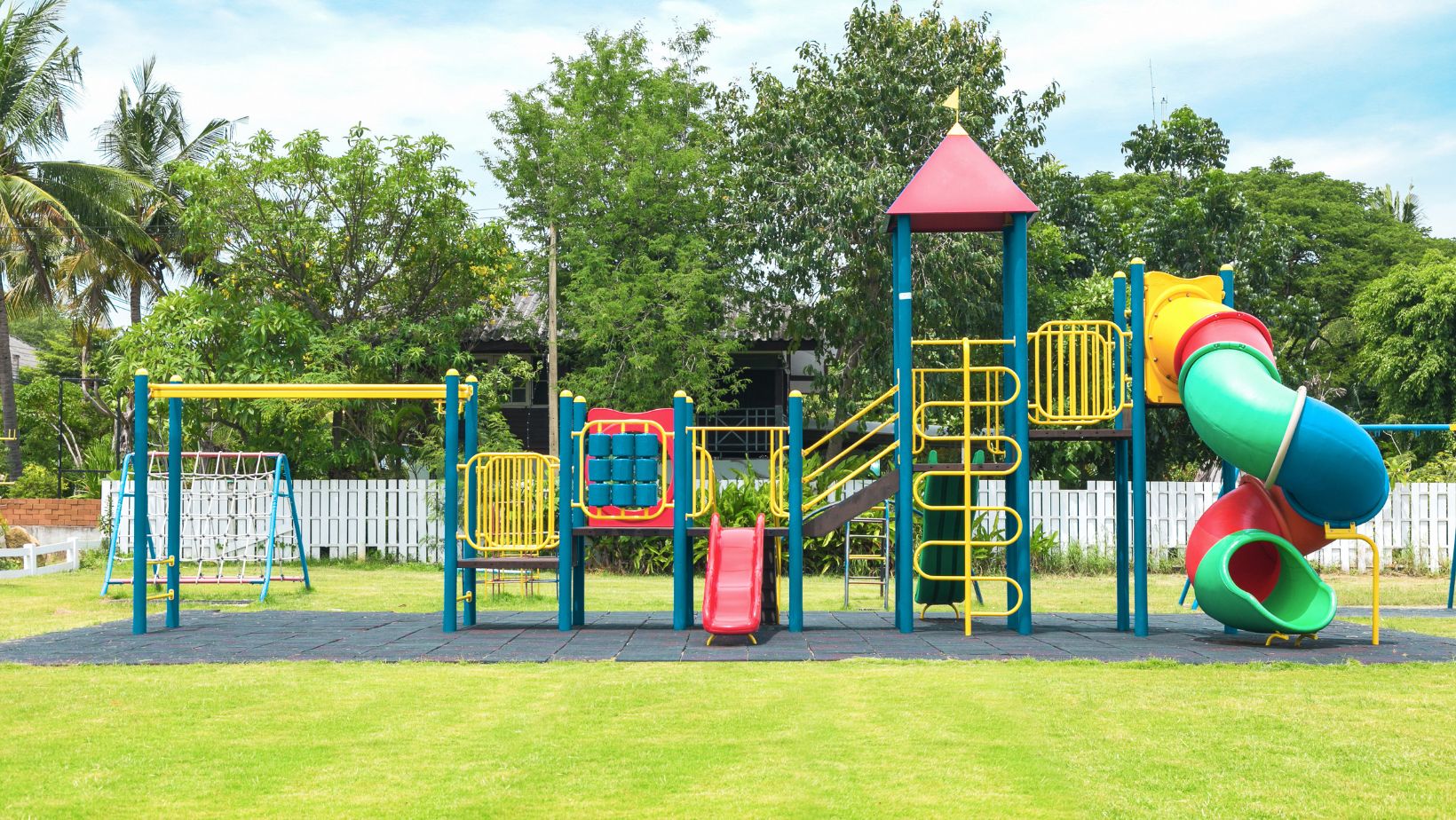
 Late spring is when playground use starts to climb. Schools are still in session, families are spending more time outside, and community spaces begin to see more consistent traffic. That shift often highlights what needs attention—worn areas, limited shade, or features that no longer hold kids’ interest.
The good news is that you don’t need a full redesign to make meaningful improvements. The best playground upgrades are often targeted changes that improve safety, comfort, and engagement while extending the life of your existing space.
Why Timing Your Playground Upgrades Matters
Upgrading your playground before summer arrives gives you a clear advantage.
Spring conditions make installation easier, and scheduling is typically more flexible compared to peak season. Once summer begins, playgrounds are in near-constant use, making it harder to complete upgrades without disrupting daily activity.
Planning ahead allows you to:
- Address damage caused by winter weather
- Avoid delays during the busiest months
- Prepare for increased foot traffic
- Make proactive decisions instead of reacting to issues mid-season
For schools, parks, and community spaces, this window is one of the most practical times to make improvements.
What Are the Best Playground Upgrades Before Summer
The best playground upgrades before summer focus on safety, heat reduction, accessibility, and engagement. These updates help prepare your space for heavier use while improving the overall experience for both kids and caregivers.
- Improve playground surfacing
- Add shade structures
- Improve drainage and site conditions
- Replace worn or outdated playground components
- Introduce new play features
- Add inclusive and accessible play elements
- Expand seating and gathering areas
- Refresh colours and finishes
- Add perimeter features for safety and organization
Improve Playground Surfacing
Surfacing is one of the most important safety features on any playground, but it’s also one of the most commonly overlooked. After a full winter, materials can shift, compact, or wash away, especially in high-impact zones.
Focus on areas like:
- Slide exits where children land repeatedly
- Under swings where material is displaced
- Entry points where traffic is constant
Upgrading your surfacing may involve topping up engineered wood fibre, redistributing loose-fill materials, or switching to a more stable option like rubber mulch or poured-in-place surfaces. These improvements not only help reduce injury risk but also make the playground more accessible for strollers, mobility devices, and supervised group use.
Add Shade Structures
Heat buildup is a common issue during summer, particularly on exposed outdoor playground equipment. Surfaces like slides, platforms, and handrails can become uncomfortable during long periods of direct sun, which may shorten playtime or make certain areas less usable during the hottest parts of the day.
Adding shade improves comfort for both children and caregivers:
- Shade sails can be installed over existing play areas
- Built-in canopies can create covered zones within the playground design
- Covered seating areas give caregivers and supervisors a cooler place to rest
Shade can make the space more inviting throughout the day and help families, schools, and community groups get more use out of the playground during warmer months.
Improve Drainage and Site Conditions
Drainage issues tend to show up in spring but can affect the playground all season long. Standing water, soft ground, and erosion don’t just limit access—they can create long-term wear on both surfacing and equipment.
Common upgrades include:
- Regrading low areas where water collects
- Installing drainage layers beneath surfacing materials
- Adding edging or barriers to prevent material displacement
Improving drainage keeps your playground usable after rain and reduces the need for constant maintenance throughout the summer months.
Replace Worn or Outdated Playground Components
Over time, certain parts of a playground take more wear than others. Slides, climbing panels, and entry points are used repeatedly and tend to show signs of aging first.
Signs it’s time to upgrade include:
- Cracks or structural wear in playground components
- Fading or discoloration from UV exposure
- Loose fittings or outdated connection systems
Replacing these elements—such as old slides or high-use panels—can refresh the playground without replacing the entire structure. Modern plastic playground equipment is designed for durability, colour retention, and resistance to temperature changes, making it a practical long-term upgrade.
Introduce New Play Features
Adding new play elements is one of the most effective ways to increase engagement, especially if your playground has remained unchanged for several years.
Children are more likely to stay active and return to a space that offers variety. Even a few additions can change how the playground is used.
Options to consider:
- Plastic climbers that add vertical movement and challenge
- Balance features that support coordination and motor skills
- Interactive panels that encourage imaginative and social play
- New slide designs that offer different twists and turns
- Inclusive equipment that accommodates children of all abilities
These playground equipment upgrades don’t require a full redesign but can significantly improve how the space feels and functions.
Add Inclusive and Accessible Play Elements
Designing a playground that welcomes children of all abilities creates a better experience for everyone, and even small upgrades can make a meaningful impact.
Inclusive features help ensure that more children can participate comfortably and safely. They also make the space more welcoming for families and caregivers.
Examples include:
- Ground-level play components that don’t require climbing
- Transfer platforms that support mobility access
- Sensory features that engage touch, sound, and movement
Adding these elements improves overall usability and reflects a more thoughtful approach to playground design.
Expand Seating and Gathering Areas
Playgrounds are not just for play—they’re also gathering spaces. Parents, teachers, and caregivers need areas where they can sit, supervise, and spend time comfortably.
Upgrades may include:
- Benches positioned with clear sightlines to play areas
- Picnic tables for longer visits or group use
- Defined rest areas that reduce crowding near equipment
These additions improve how the space is used and encourage longer visits, especially during summer months when families spend more time outdoors.
Refresh Colours and Finishes
A playground doesn’t have to be structurally outdated to feel worn. Faded colours, scratched surfaces, and mismatched components can make the space look older than it is.
Refreshing the visual elements can include:
- Replacing faded panels or features
- Introducing updated colour combinations
- Matching new components with existing structures
Because many types of plastic playground equipment are colour-molded, newer components tend to maintain their appearance longer and require less upkeep.
Add Perimeter Features for Safety and Organization
In certain environments, defining the playground area improves both safety and usability. This is especially important in schools, daycare centres, and high-traffic public spaces.
Consider upgrades like:
- Fencing to create clear boundaries
- Designated entry and exit points to control flow
- Layout adjustments that improve visibility for supervision
These features help create a more organized space and make it easier to manage large groups of children.
How to Decide Which Upgrades to Prioritize
With several upgrade options available, it’s important to focus on what will have the biggest impact first.
Start by assessing:
- The condition of your existing outdoor playground equipment
- Areas that receive the most use
- Any safety concerns or recurring maintenance issues
From there, prioritize upgrades that improve safety and usability before moving into visual or engagement-focused improvements. For example, surfacing and structural repairs should come before aesthetic updates.
It can also help to:
- Walk the site and note problem areas
- Gather feedback from staff, parents, or supervisors
- Plan upgrades in phases if budget is a factor
Taking a structured approach ensures your investment goes further and supports long-term use.
Get Your Playground Ready for a Busy Summer Season
The best playground upgrades are the ones that make your space safer, more comfortable, and more engaging without requiring a full overhaul. Whether you’re improving surfacing, adding shade, or upgrading plastic slides and climbers, small changes can have a big impact.
If you’re planning upgrades, working with a manufacturer early can help you choose the right components and keep your project on track. SPI Plastics supplies durable plastic playground equipment built for long-term outdoor use, including slides, panels, and custom components designed to handle changing conditions.
Upgrading before summer helps ensure your playground is ready when it sees the most use—so families, schools, and communities can make the most of the season.
Contact us today to explore our playground equipment options and bring your vision to life!